If you spend any significant time in South Korea, you will quickly notice an invisible compass guiding almost every social interaction: "Did you eat?" (밥은 먹었니?). To a newcomer, it sounds like an unexpectedly intrusive health check or a sudden invitation to lunch. But having lived in Korea for decades, I’ve come to realize that this phrase is the ultimate expression of 'Jeong' (정, emotional bond or affection).
To understand the profound philosophy behind the simple act of eating in Korea, I highly recommend watching this insight from the late scholar Lee O-young, who beautifully articulates how Koreans "eat the universe":
Featured Insight: The Philosophy of Korean Eating (Lee O-young) (Source: KBS Documentary via YouTube)
1. A History Born from Scarcity and Survival
To understand why food carries such heavy emotional weight in Korea, you have to look back at modern economic history. Korea experienced devastating poverty and famine, particularly through the Korean War. During eras when securing three meals a day was a daily struggle, asking someone if they had eaten was a genuine expression of existential care and survival.
Though modern South Korea is an economic powerhouse, that historical habit stuck. It evolved from a literal survival check into a cultural proxy for saying: "I care about your well-being."
2. The Communal Table: Sharing Jjigae and Banchan
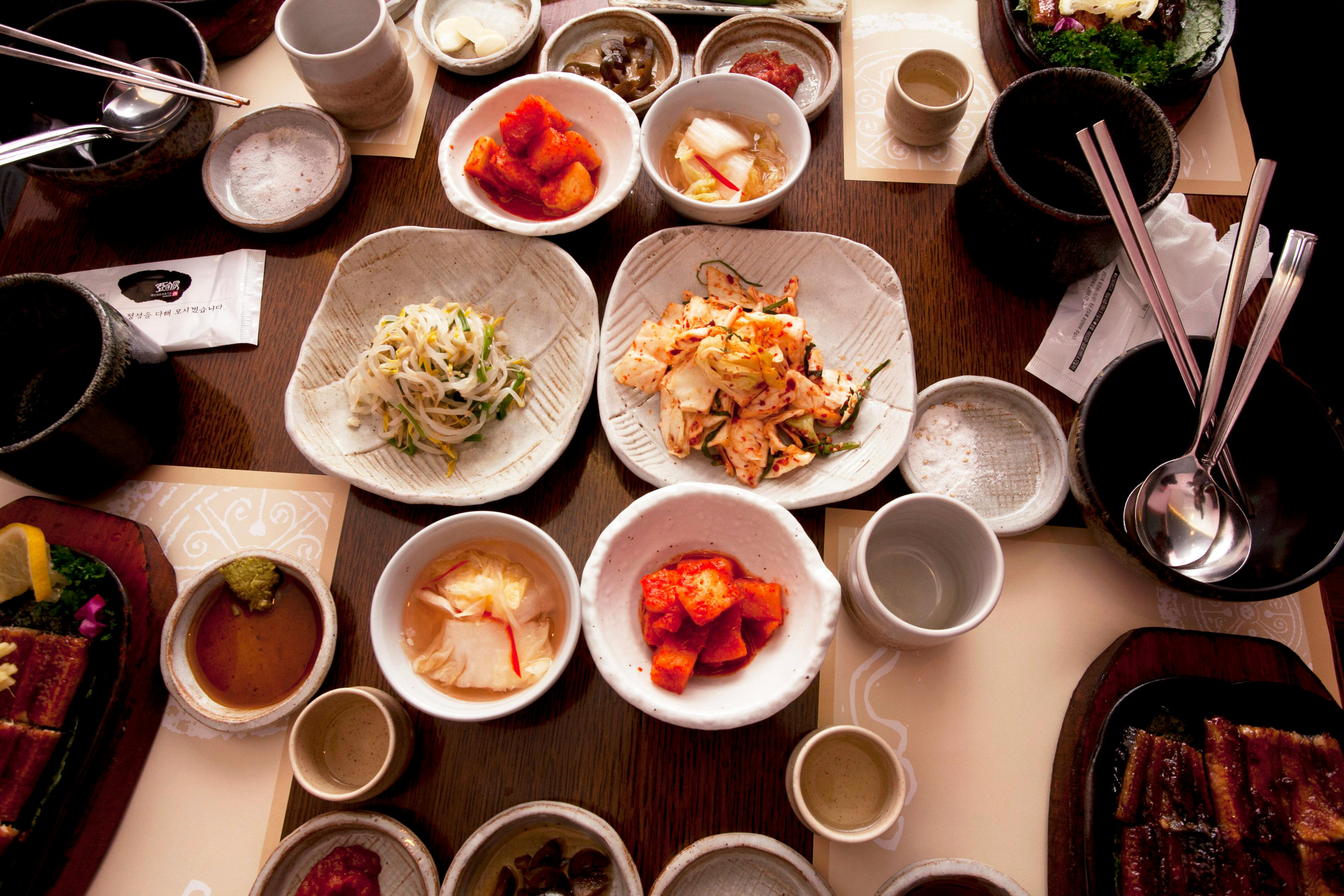
In traditional Korean dining, meals often feature a bubbling stew (jjigae) in the center of the table, surrounded by a dozen shared side dishes (banchan). This is not just a layout; it is a social statement. Reaching across the table with chopsticks to share food breaks down personal boundaries and physically enacts the concept of shared life.
3. Jeong: The Invisible Glue of Korean Society
As Lee O-young explains, the Korean concept of food goes beyond nutrition—it is about Jeong. It is an unquantifiable, deep emotional attachment built through shared meals. Whether it's the 'service' (extra food) given by a restaurant owner or the 'Gobong' (heaping bowl) of rice served by an elder, these acts are investments in emotional currency.
Final Thought
The next time someone in Korea asks if you've eaten, don't just think of it as a question about calories. Smile, accept the warmth behind it, and remember that in Korea, food is the primary language of love, community, and shared humanity.