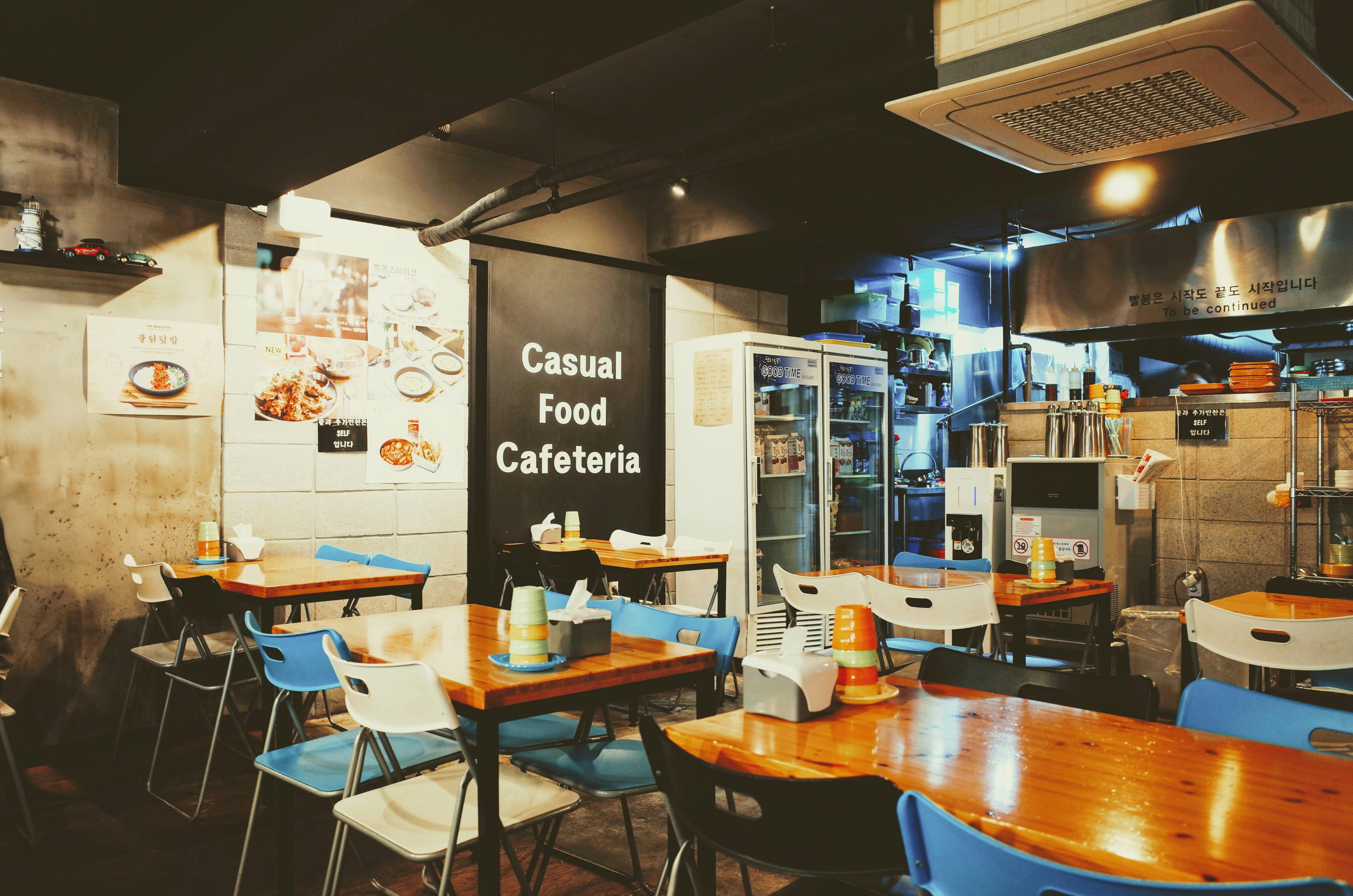
You finish a meal in Seoul, the bill comes, and your American instincts kick in — you start doing the mental math. Fifteen percent? Twenty? You reach for extra cash, maybe leave a few thousand won on the table like you would back home.
The server chases you down the street to give it back.
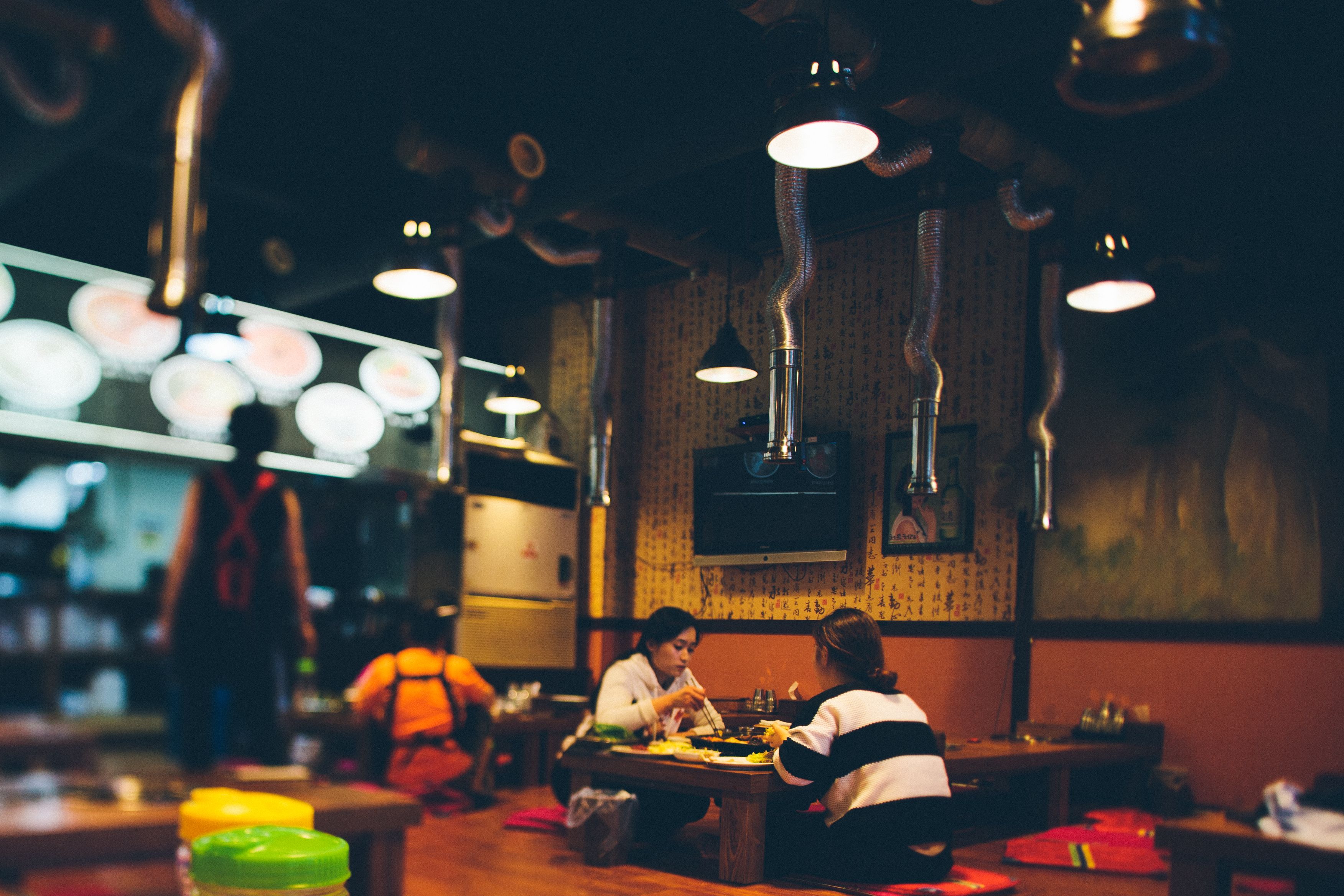 In Korea, excellent service is the baseline obligation, not a premium feature you need to buy with a tip.
This actually happens to visitors more than you'd think, and it's usually confusing on both sides. To the tourist, leaving nothing feels cheap. To the Korean server, being handed extra cash feels less like a compliment and more like being handed something that doesn't belong to them.
The easy explanation is "service is already included in the price." That's technically true, but it doesn't explain why Korea built its service culture that way in the first place, or why the idea of a tip can feel almost uncomfortable. Beneath the surface lies a deeply ingrained, and often painful, societal perception of labor.
01. The Invisible Hierarchy and the Value of Labor
The real reason service fees could be seamlessly absorbed into menu prices stems from a painful historical reality: Korean society’s traditional perception of the value of labor.
Historically, Korea has maintained an invisible social hierarchy where physical and service labor were often relegated to the lowest rungs. Naturally, the monetary value assigned to such labor was aggressively minimized.
"In a society where service labor was historically undervalued, labor costs could be easily hidden within the price of food without the need for supplementary tips."
🖋️ Ethan's Cultural Insight: The Cost of Breaking the Cycle
This historical devaluation of labor casts a long shadow over modern Korea. Even today, the value of physical work—and even the creative labor of artists and cartoonists—is frequently placed at the bottom of the economic ladder.
 The astronomical investment in education by Korean parents is often driven by a desperate desire to help their children escape the cycle of undervalued labor.
This harsh reality explains a crucial aspect of modern Korean society: its fierce, almost obsessive educational zeal. The astronomical amount of time and money Korean parents pour into their children’s education is ultimately driven by a desperate desire to help them escape this cycle of undervalued labor and secure a higher social standing.
Consequently, the baseline wages for restaurant servers and service workers could be kept structurally low. Business owners absorbed these modest labor costs into their pricing without much burden. Tipping never had room to take root because "cheap labor" was established as the unquestioned default. Sadly, even now, the wages of service industry workers remain disproportionately low compared to the intensity of the labor they perform.
02. Service Was Never Optional
Built upon this labor structure, service in Korea crystallized into an absolute, non-negotiable duty. If the core of the tipping system is paying extra for good service, Korean service culture operates on the exact opposite premise.
Attentive, fast, and competent service isn't a bonus a server performs to earn your favor. It is simply the baseline obligation owed to you because you paid the business. When your water is refilled before you ask, or a server appears the second you press the call bell, they aren't auditioning for a tip.
To tip on top of this implies that the baseline service wasn't sufficient on its own. Culturally, it doesn't read as praise; it can feel like a subtle slight against their professional competence.
03. The Ultimate Stress Test: Delivery Culture
 Even though delivery riding involves grueling physical labor, often in terrible weather, tipping remains entirely abnormal.
Korea's famous delivery culture is the perfect stress test for this concept. Food delivery in Korea is breathtakingly fast, precise, and highly affordable. Even when riders perform physically exhausting labor in terrible weather, tipping remains entirely abnormal.
The predetermined delivery fee is regarded as the final, complete transaction for the labor provided. Neither the worker nor the customer expects a tip, eliminating any surrounding disappointment or pressure. It starkly highlights how the grueling value of labor is still strictly confined within the rigid price framework set by the system.
04. What This Actually Tells Us About Korea
The absence of tipping isn't a gap in Korean service culture — it's the result of a completely different foundational structure.
Where American service culture treats attentiveness as something earned turn by turn, Korean culture treats it as an upfront, priced-in, non-negotiable right. And lurking beneath that transactional difference is a complex portrait of a society that has historically undervalued certain labor, driving its people to fiercely pursue education to escape it.
Understanding this difference explains much more than what to do with your spare change—it offers a profound window into the hidden engine of Korean society.