LANGUAGE & CULTURE
Why Do Koreans Ask Your Age So Quickly?
In Korea, asking someone's age isn't simply a question about how old they are.
It's often the foundational step in figuring out how respect, connection,
and conversation should flow.
Explain Korea
•
Culture & Language
ETHAN'S NOTE (EDITOR'S PERSPECTIVE)
"When I first moved to Seoul, being hit with 'How old are you?' within 30 seconds felt like an invasion of privacy. It took years of living here—and diving deep into traditional roots—to realize it wasn't an interrogation at all, but an act of relational alignment."
You've just landed in Korea. Maybe you're at a hostel, maybe a friend introduced you
to someone at dinner. Before you've even finished introducing yourself, comes the question:
"How old are you?"
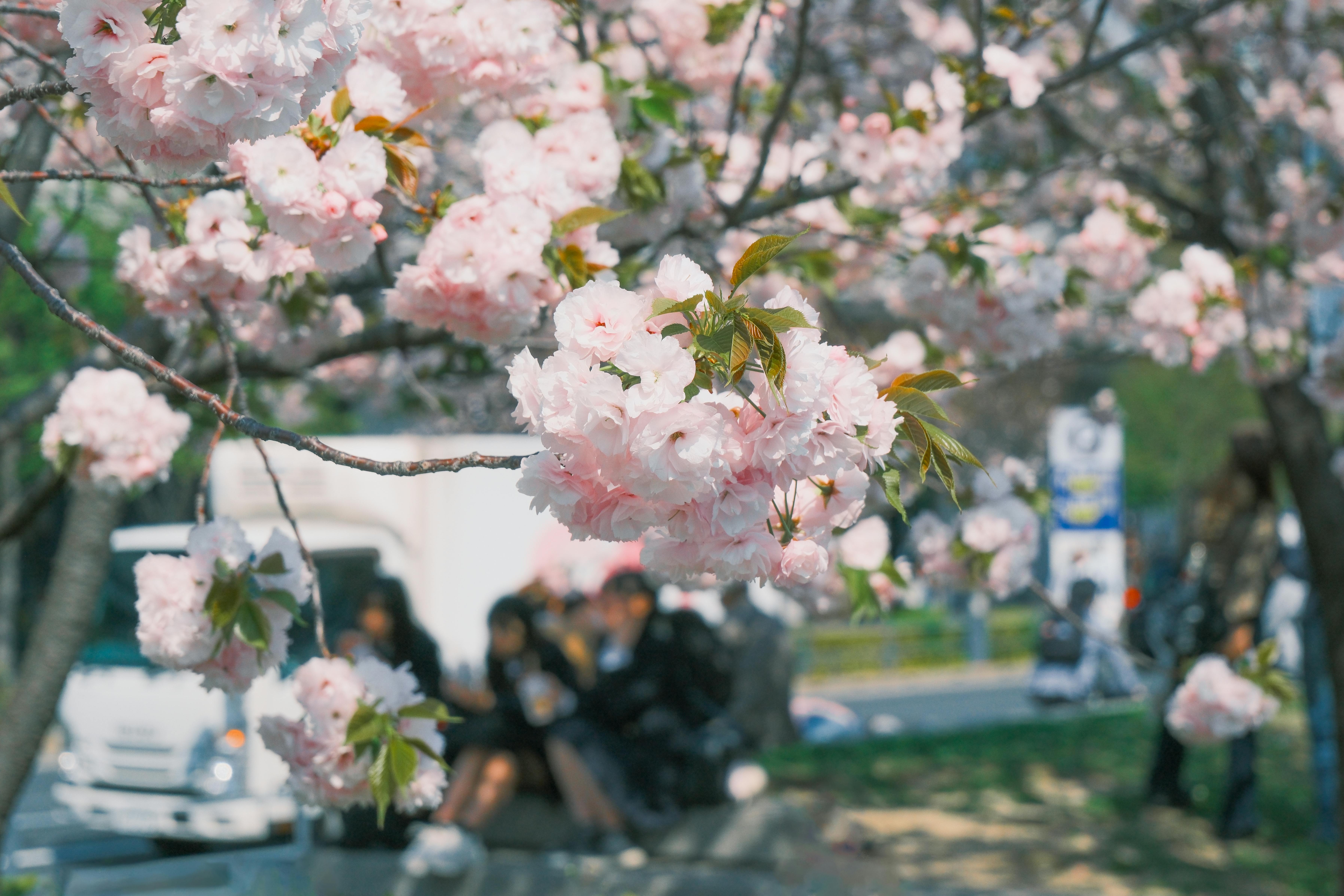 Understanding the underlying social rhythm of everyday encounters in Korea.
If you're from the West, this can feel like a sudden violation of an unspoken rule.
Age is private. Age is the number you dodge on first dates and brush past in polite conversation.
Asking a stranger their age within thirty seconds of meeting them ranks somewhere
between asking their salary and interrogating their personal life.
So why does it happen constantly in Korea — from taxi drivers, from coworkers,
from the person who just sat down next to you at a bar?
THE SHORT ANSWER
The answer people usually give is "Confucianism."
That's true, but it's also lazy.
It explains nothing about why a twenty-two-year-old on a social app in Seoul
will still, almost reflexively, seek out your birth year before getting into any real depth.
To actually understand it, you have to look past the surface:
in Korean culture, age isn't merely a statistic about time.
It is an essential alignment for human connection.
01
Age Decides How the Sentence Gets Built
In English, you can talk to your boss, your close friend, and a stranger on the
subway using more or less the same grammatical structure.
Politeness is mostly about word choice — "could you" instead of "give me" —
but the underlying sentence architecture remains identical.
Korean doesn't work that way.
The verb endings themselves shift dramatically depending on who's older, who holds more social
standing, and how well you know each other.
Speak to someone the wrong way — too casually to an elder, too formally to someone your age —
and it doesn't just sound impolite. It sounds fundamentally out of place.
Asking your age isn't nosiness. It’s the linguistic machinery working in real-time.
Without that piece of data, neither person actually knows how to speak to the other.
02
The Roots of Care: Beyond Simple Hierarchy
Outsiders often assume this is purely about rigid authority,
where the older person commands and the younger one obeys.
But that misses the emotional and historical heart of how Korean relationships are designed to function.
HISTORICAL PERSPECTIVE
Learning to Care Before Looking Out for Yourself
In traditional educational spaces like old village schools (seodang), children studied texts
like the Cheonjamun (Thousand Character Classic) and the Samgang Oryun
(The Three Bonds and Five Moral Rules). The core lesson was never about self-elevation;
it was about prioritizing others and ensuring your actions never caused discomfort to those around you.
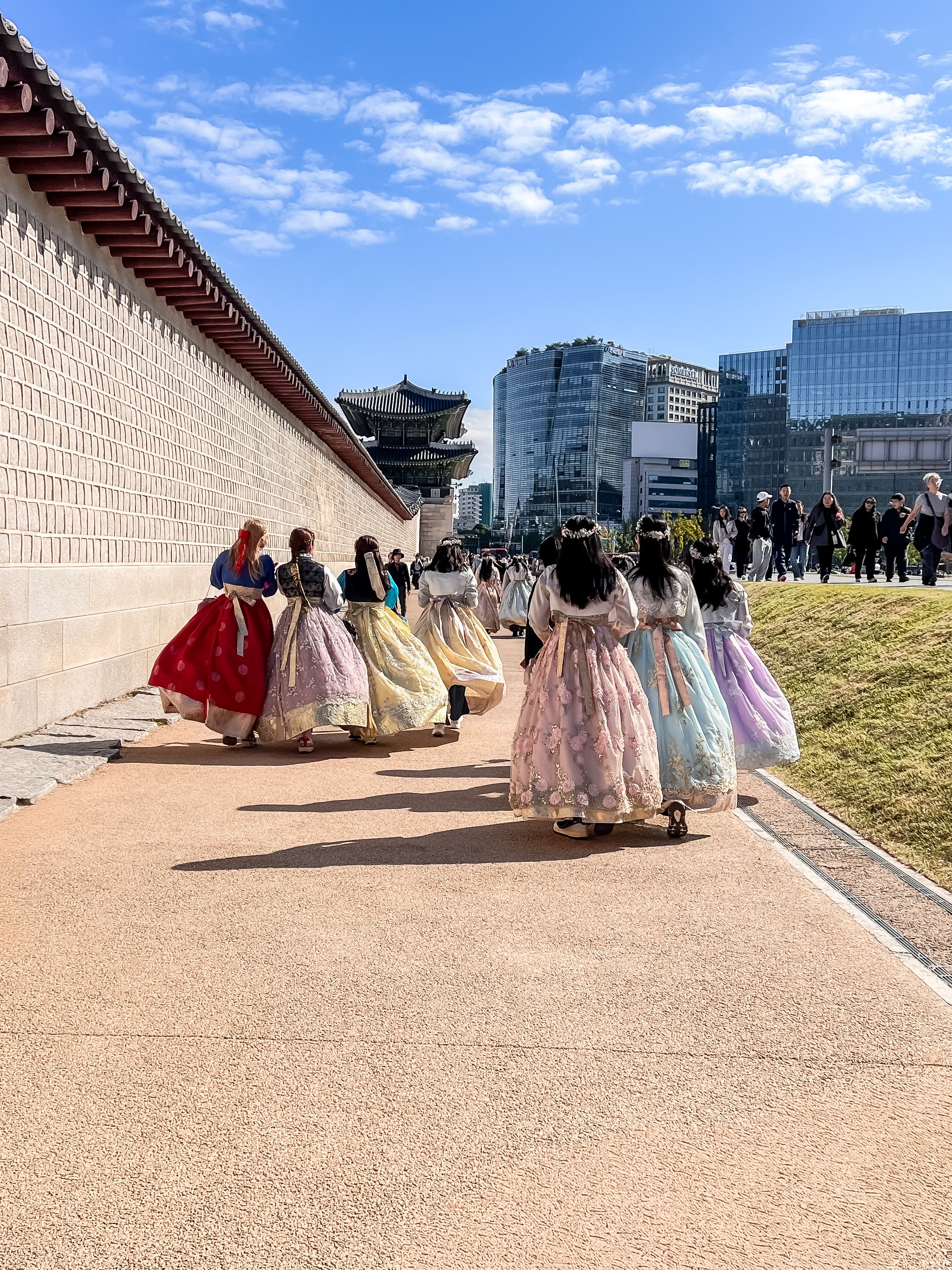 Traditional values of mutual respect shaping contemporary interpersonal connections.
When you meet someone and intend to build a meaningful, lasting relationship,
you need to know where you stand relative to them.
Are you meant to show deep respect as an elder, or step up to guide, protect, and care
for them as a senior? Knowing the age provides the exact stance you need to take
so that mutual respect flows naturally without friction.
03
The Trope That Runs on This: The Banmal Switch
This underlying framework turns ordinary human interaction into incredible dramatic fuel —
most famously in K-dramas.
A huge share of K-drama romantic tension is built directly out of age-gap dynamics
between a stern sunbae (senior) and an unyielding hoobae (junior).
THE LINGUISTIC MILESTONE
The Emotional Payoff of Honorifics
The moment an older love interest stops using formal honorifics and switches to casual speech
(banmal) is never just a throwaway line. In Korean storytelling, that single shift
functions exactly like a first kiss or a held hand in Western media: an undeniable,
vulnerable marker that emotional intimacy has been achieved.
Western remakes often lose this entirely because English grammar doesn't shift based on closeness.
You cannot translate a banmal switch into a language that treats all speakers equally.
04
Is This Changing in Modern Korea?
Yes, visibly so. Modern workplaces, startup culture in Seoul, and digital spaces
are increasingly leaning toward flatter, more casual interactions among younger generations.
People regularly use English names or peer-to-peer titles to break down traditional barriers.
MODERN REALITY
The Reflex Survives the Strict Rule
Even as the strict consequences of hierarchy soften, the reflex to ask someone's age
remains deeply embedded. It is no longer about enforcing obedience—it is about
completing the emotional map of a new relationship.
Not knowing someone's age still feels, to many Koreans, like standing in an unfinished room
where the walls haven't been painted yet.
THE TAKEAWAY
So, What Should You Do When Someone Asks?
The next time someone in Korea asks your age shortly after meeting you,
try to resist the instinct to feel cornered or interrogated.
They aren't trying to measure your worth or pry into your private life.
They are figuring out how to care for the conversation, how to respect your space,
and what kind of connection you two are going to share.
"They aren't being nosy.
They are loading the proper settings so they can treat you with the right kind of respect and care."
