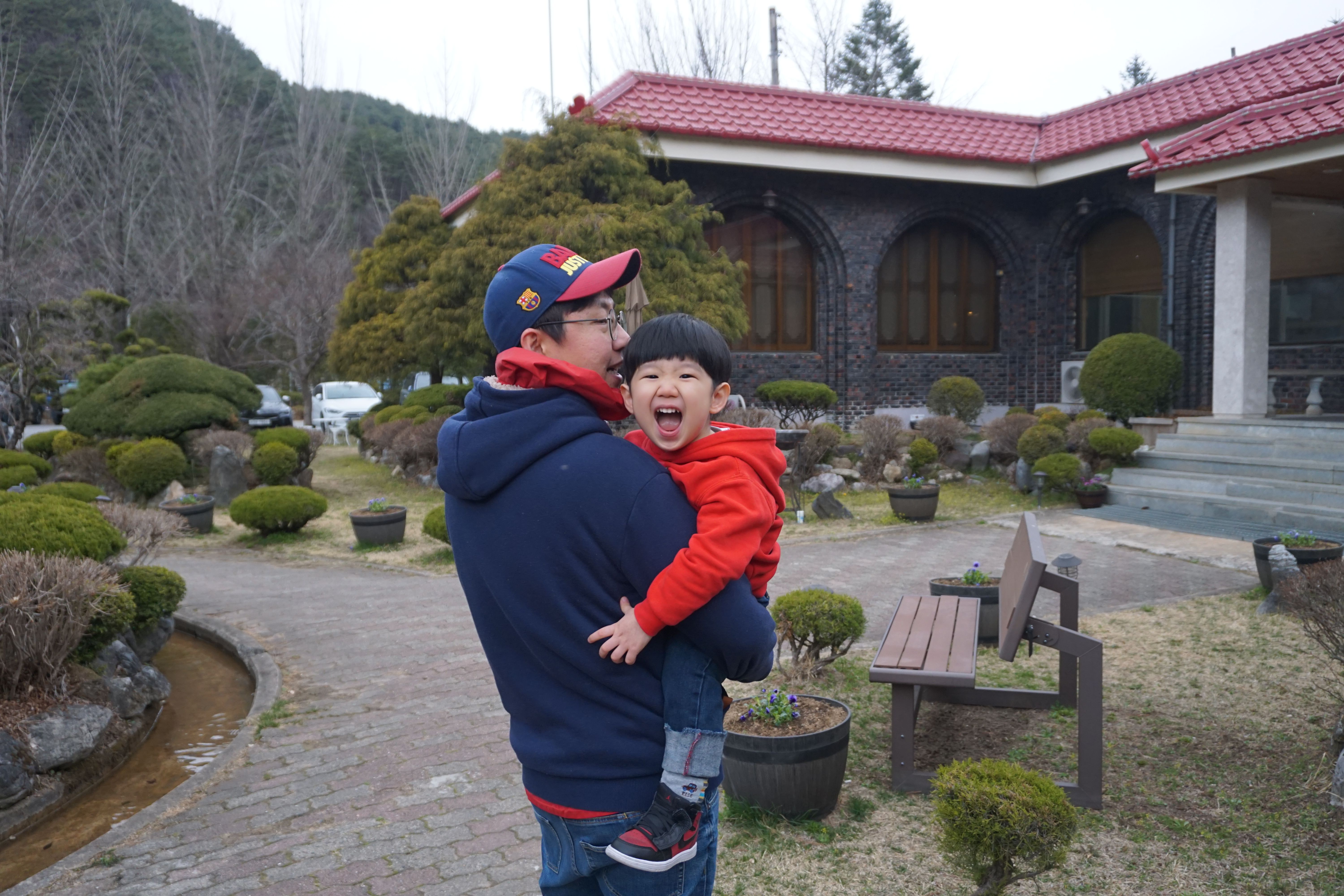
If you examine the structure of a typical household in Seoul today, you will find compact apartments, single-person living arrangements, and nuclear families focused on career and personal growth. Yet, just a few generations ago, the domestic landscape looked entirely different. How did Korea move from large, multigenerational families shaped by strict filial piety to today's smaller, more individual-centered units?
1. When Family Meant More Than Parents and Children
In traditional Korean society, the concept of "family" extended far beyond the immediate nuclear unit familiar to many Western observers. Households were typically multigenerational, housing grandparents, parents, children, and sometimes extended relatives under one roof.
This structure was not merely a lifestyle preference; it was a structural necessity. In an agrarian economy with limited institutional safety nets, the family functioned as the ultimate economic, social, and security network. Decisions were made collectively, and individual desires were naturally subordinated to the survival and reputation of the household.
"In traditional Korea, the family was an economic corporation, a social insurance system, and a moral compass all wrapped into one."
2. Why Filial Piety Became So Important
At the center of this communal structure was hyo (효), universally translated as filial piety. However, reducing hyo to simple obedience misses its true institutional weight. Rooted in Confucian ethics, filial piety encompassed profound responsibilities: caring for aging parents, preserving family lineage, fulfilling the eldest son's obligation as head of the household, and performing ancestral rituals (jesa) to maintain continuity across generations.
Why did this value become so deeply rooted? Because in a society without state pensions or formal welfare systems, children were literally a parent's retirement plan. Filial piety was the moral contract that guaranteed social order and mutual survival.
3. The Family Changed When Korea Changed
The transition from traditional multigenerational living to modern nuclear households did not happen in a vacuum. It was forged in the fires of national transformation:
- The Korean War and Urbanization: The devastation of the mid-20th century shattered agrarian communities, forcing millions to migrate from rural villages to cities like Seoul in search of work.
- The Rise of the Apartment Culture: Urban housing booms replaced wide courtyard homes with standardized multi-story apartments, physically limiting household sizes.
- Educational and Economic Shifts: Rising education levels, particularly for women, and entry into the corporate workforce fundamentally altered domestic dynamics.
💡 Key Insight: The Pace of Change
Korean families did not simply abandon tradition. Rather, their living conditions changed much faster than their traditional values did, creating a unique generational bridge of adaptation and negotiation.
Cultural Reference: Dr. Mark Peterson discusses the historical evolution of Korean family systems and the shift toward modern, egalitarian structures.
4. From “What Does the Family Need?” to “What Do I Want?”
The most profound shift in modern Korean family life lies in the reversal of the family equation. Historically, the trajectory flowed from Family to Individual—where personal career and marriage paths served collective family interests. Today, that dynamic has shifted toward an Individual ↔ Family equilibrium.
Young Koreans increasingly prioritize personal fulfillment, career independence, and mental well-being. Marriage is no longer viewed as an absolute societal obligation, and independent living among singles has surged. This shift frequently creates friction between older generations who view duty through a traditional lens and younger generations seeking personal autonomy.
5. What Has Changed—and What Has Not
Despite the rise of nuclear households and single-person homes, traditional bonds have not vanished; they have transformed. Core elements remain deeply embedded in Korean society:
- An enduring, active sense of responsibility toward aging parents.
- High-intensity parental investments in children's education and future security.
- Family-centered decision-making during major milestones like weddings and career transitions.
Final Thought
Korean family culture is not disappearing. It is being renegotiated. As the nation balances its rich heritage of filial obligation with the realities of modern individualism, the Korean family remains a dynamic testament to cultural resilience and adaptation.