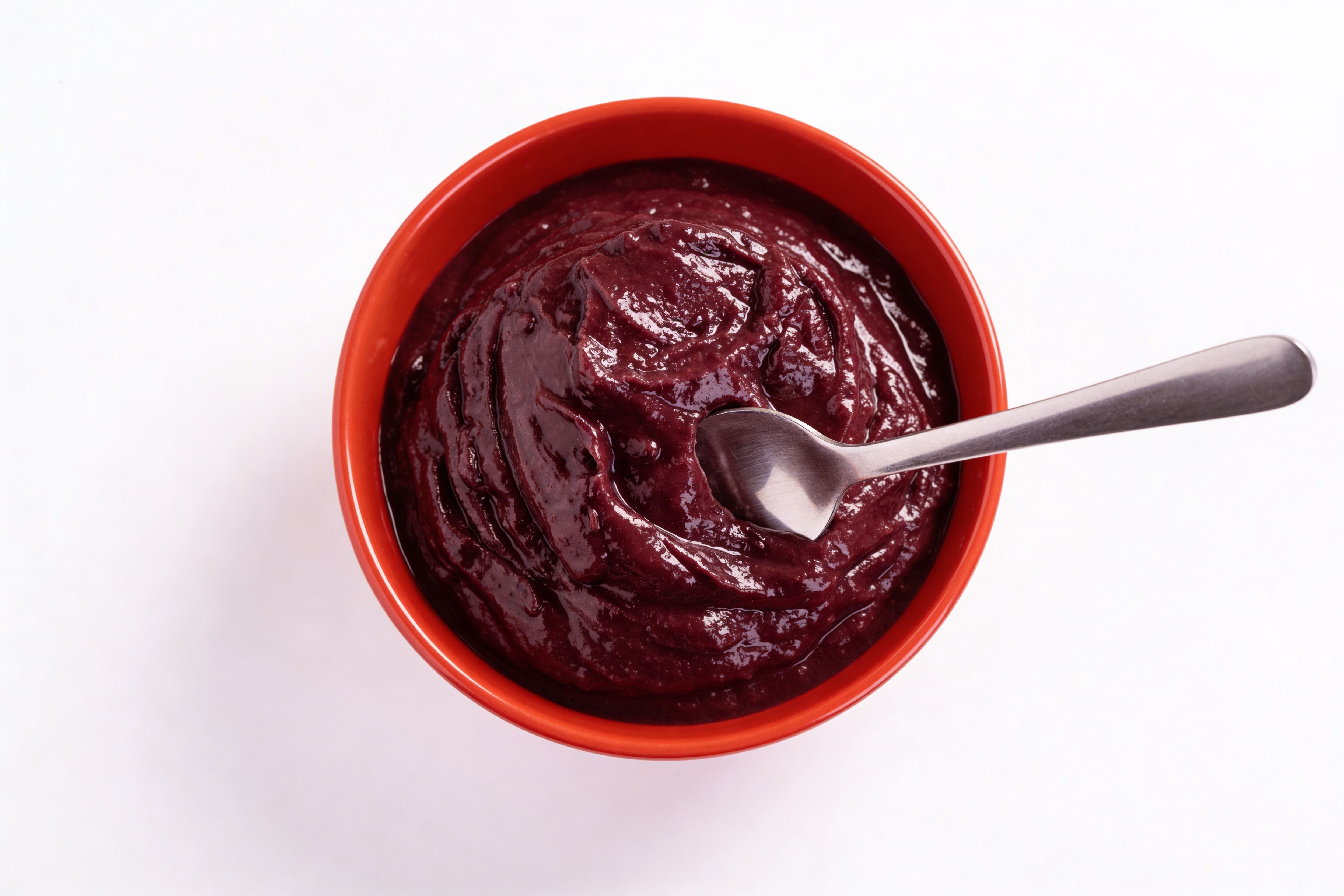
If you have ever cooked with Korean ingredients, you have likely noticed a recurring trio: rich brown pastes, deep savory liquids, and fiery red sauces. To the uninitiated, they might just look like random seasonings. But to a Korean chef, they are the absolute trinity of taste. They are Doenjang, Gochujang, and Ganjang—the three fermented sauces that build the entire flavor architecture of Korean cuisine.
For American and international food lovers, questions naturally arise: What is doenjang? What is gochujang? How is Korean soy sauce different from Japanese or Chinese varieties? To truly understand Korean food, we need to look past the individual bottles and examine the ancient science that creates them.
1. The Common Root: What is Meju?
You cannot understand Korean sauces without first understanding Meju. Long before these pastes and liquids sit in jars, they begin as boiled soybeans mashed into dense blocks and hung to dry and ferment naturally with ambient molds and bacteria.
This block of meju is the starting point for both doenjang and ganjang. When the meju blocks are aged and then submerged in saltwater jars, a wonderful chemical split happens:
- The liquid separates and becomes Ganjang (Korean soy sauce).
- The solid residue is mashed, salted further, and aged into Doenjang (soybean paste).
💡 Key Insight: The Master Process
From a single block of fermented soybean (meju), Korean culinary tradition extracts both the primary salt-and-savory liquid (ganjang) and the deep, earthy paste (doenjang). It is zero-waste, ancient culinary engineering at its finest.
2. The Three Flavors Compared
| Sauce |
Primary Ingredients |
Key Flavor Profile |
Main Culinary Role |
| Doenjang (된장) |
Fermented soybeans, salt, water |
Earthy, rustic, deep umami |
Provides the soul and savory base for stews (doenjang-jjigae). |
| Ganjang (간장) |
Soybeans, salt, water (liquid extract) |
Sharp salinity, complex umami, aroma |
Acts as the primary seasoning, dipping agent, and soup base. |
| Gochujang (고추장) |
Meju powder, glutinous rice, red chili powder, malt |
Complex heat, subtle sweetness, deep savory depth |
Transforms dishes with multi-layered richness, marinades, and bibimbap. |
3. Doenjang: The Rustic Powerhouse
Often compared to Japanese miso, Doenjang is bolder, coarser, and packs a much more robust, earthy punch. Because the soybeans are fully fermented and left unfiltered, doenjang contains pieces of bean and a deep, barnyard-like aroma that softens into an incredible, comforting savory depth when boiled in a stew. It is the definition of comfort food in Korea.
"If Western cuisine relies on butter and wine to build body, Korean cooking relies on doenjang to ground a dish with earthy, profound resonance."
4. Ganjang: Korean Soy Sauce
Korean soy sauce (ganjang) is distinct from its Asian counterparts. Traditional soup soy sauce (guk-ganjang) is lighter in color but much saltier because it is the direct byproduct of soaking meju in saltwater. It seasons soups without darkening them too much, lending a clean, sharp umami that finishes cleanly on the palate.
5. Gochujang is Not Just a "Spicy Hot Sauce"
One common misconception among Western foodies is treating Gochujang like a standard hot sauce (like Sriracha or Tabasco). Gochujang is not merely a vehicle for heat. It is a fermented Korean condiment.
The magic of gochujang comes from its complex creation: sweet glutinous rice is fermented with malted barley, mixed with meju powder, and infused with red chili powder. This means every spoonful delivers a complex triad of flavors: the natural sweetness of broken-down carbohydrates, the kick of chili, and the rich, funky umami of fermented soy. It is thick, sticky, and deeply savory.
Exploring the traditional science and UNESCO heritage behind Korean Jang culture.
Final Thought
Next time you taste a Korean meal—whether it's a bubbling bowl of stew or a spicy marinade glazed over grilled meat—remember the invisible history behind it. Doenjang, Gochujang, and Ganjang are more than ingredients; they are the result of patience, weather, microbes, and centuries of human wisdom working together to create absolute perfection on a plate.