W
hy do Koreans work so hard? When exploring the culture of work in modern Korea, the question often gets reduced to superficial tropes. Yet beneath the surface lies a complex web of historical context, relentless dedication, and societal expectation that defines everyday life.
“Understanding work culture in Korea is not merely a phenomenon; it is a precise lens that reflects human relationships, historical resilience, and the pressures of an era.”
1. The Personal Lens: A Firsthand Perspective
Author's Reflection:
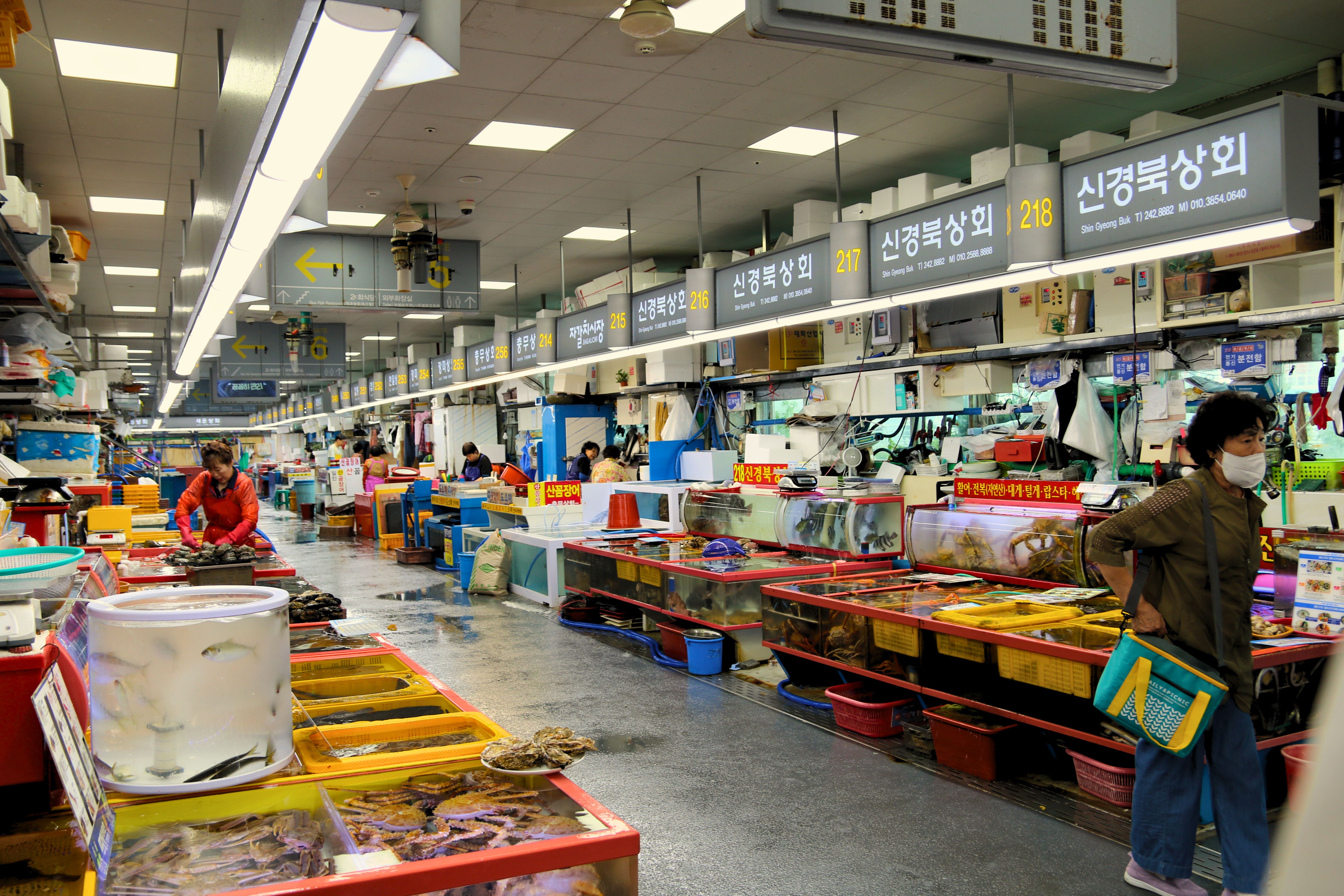
Growing up, watching my father and our neighbors work left a profound impression on me. They lived through a grueling marathon of labor, starting before dawn and ending late into the night. It wasn't just a job; it was an identity forged in necessity. This relentless routine day after day shaped the foundational values of modern Korea.
2. Bridging Statistics and Lived Reality
While the older generation viewed hard work as a means of survival and national reconstruction, modern Korea faces a different set of challenges, often labeled as the 'Working Poor' phenomenon. To understand the current landscape, we must look at both the economic structural issues and the individual's struggle to find dignity in work.
Reference: Analysis of labor issues and the 'Working Poor' crisis in South Korea.
3. Toward a Deeper Framework
Addressing the challenges of modern work culture requires moving beyond a mere list of economic facts. We must acknowledge the shift from 'survival labor' to 'structural economic anxiety.'
💡 Key Takeaway
To fully comprehend Korea's intense work ethic, we must view it through a dual lens: the historical resilience that built the nation, and the current structural need for reform to address income inequality and labor insecurity.
Expert Sources & Citations
- Sociological Perspective: Korea National Open University, "Labor Issues and Korean Society" series.
- Statistical Context: Data regarding non-regular workers and income disparities in South Korea.
- Firsthand Account: Personal editorial synthesis by Ethan Lim, based on long-term observation of Korean labor history.