HISTORY
The Miracle on the Han River: The Hidden Human Cost Behind Korea’s Economic Rise
Looking past the abstract economic statistics to honor the human sweat, sacrifice, and endurance that built modern South Korea.
By Ethan Lim
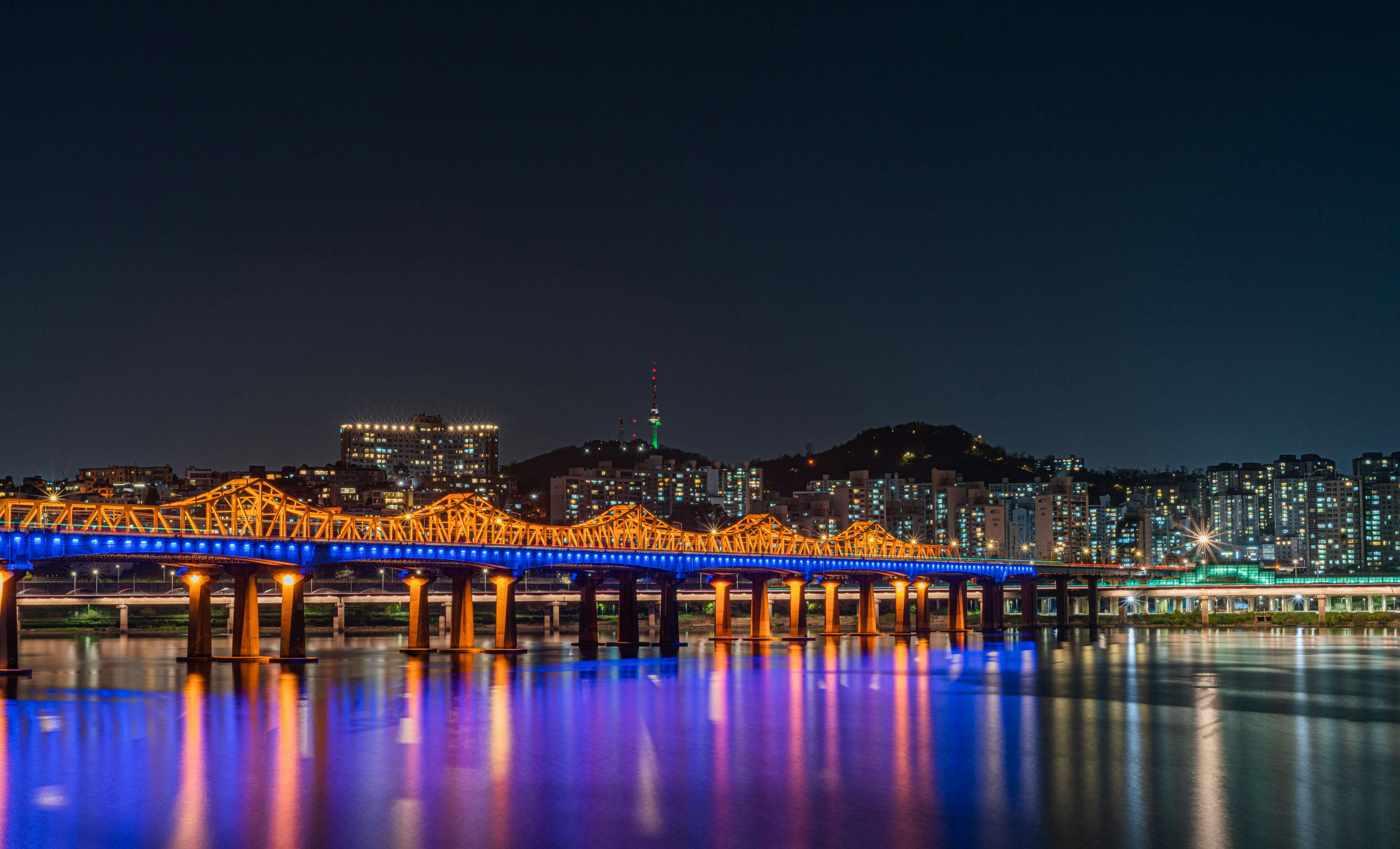 The Miracle on the Han River: How South Korea Transformed
The "Miracle on the Han River" is a term that has become synonymous with South Korean success. It paints a picture of sleek factories, rapid industrialization, and global brand dominance. However, as someone who walked the dusty, feverishly busy streets of Seoul during these transformative decades, I feel a responsibility to clarify that the "miracle" was not an abstract achievement of top-down policy. It was a massive, collective act of human endurance.
The bedrock of modern Korea was laid by laborers who toiled under grueling conditions in the textile mills, shipyards, and construction sites. It was built by nurses and miners sent to foreign lands to send back remittances that funded our infrastructure. It was sustained by mothers who balanced the fragile domestic economy with little more than grit and hope. Their sacrifice was the fuel that turned the engine of our national growth.
We often talk about the efficiency of our nation, but we forget the psychological toll this pace exacted on that generation. They lived in a state of permanent emergency, sacrificing personal comfort, health, and family time to ensure their children would never know the hunger they had suffered. When we critique the intensity of modern Korean society, we must remember that this "intensity" is a cultural heirloom—a learned behavior of survival that served us well in the 20th century but is now undergoing a painful, necessary re-evaluation. Honoring their work doesn't mean repeating their exhaustion; it means understanding the weight of the foundation upon which we stand.
Sources: Korea Institute of Science and Technology Evaluation and Planning (KISTEP) Economic History Reports