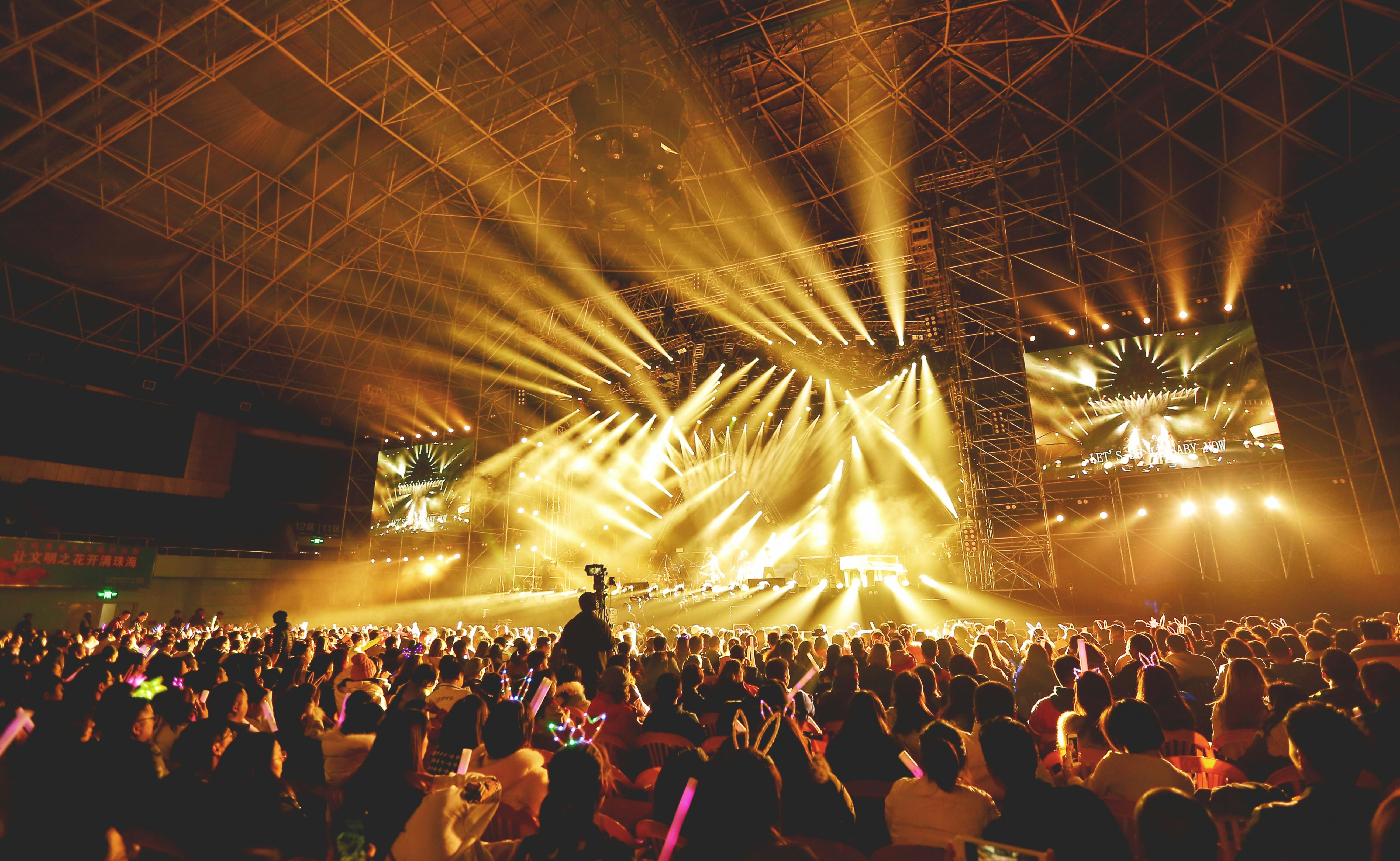
A K-Pop performance can look effortless. The choreography is synchronized, the vocals are polished, and every interaction with the audience feels perfectly timed. Yet, this spontaneity is merely the final, polished layer of a sophisticated industrial machine that has been evolving for three decades.
1. The Architecture of the Idol System
K-Pop’s rise to global dominance is anchored in the "trainee system"—a rigorous, multi-year preparation model that covers everything from vocal and dance technique to media training and language study. This methodology, pioneered by industry giants like SM Entertainment, has become the global standard for idol development.
This industrial model is designed for consistency. It ensures that an artist is not just a collection of talent, but a unified brand that maintains a seamless identity across concerts, social media, and cinematic music video universes. It is a system that transforms years of intense training into the illusion of effortless stage presence.
"At its best, the K-Pop system turns years of hidden preparation into something that appears entirely natural. That contrast—extraordinary preparation behind effortless performance—is the true soul of the genre."
2. Evolution: From Centralized Control to Global Adaptability
As the industry matures, the traditional "one-producer" model is giving way to multi-production systems. We are witnessing a bold new era where the "Korean" aspect of K-Pop is becoming an adaptable, global methodology rather than a rigid set of rules.
Recent developments showcase this shift:
- Globalized Lineups: The debut of groups composed entirely of non-Korean members or international talent shows that the "K-Pop methodology" can be applied to any cultural context.
- Intellectual Property (IP) Expansion: Beyond just music, agencies are now building elaborate "worlds" (like SM’s 'KWANGYA'), utilizing stories, digital goods, and immersive experiences to deepen fan engagement.
- A Shift in Messaging: The industry is moving away from generic themes toward narratives of "Selfhood" (Na-daum), focusing on individual agency, growth, and authentic identity.
💡 Key Insight: The Future of the Idol Industry
As K-Pop enters its next chapter, it is navigating a transition from a 30-year legacy of centralized idol creation to a more open, multi-layered system. By focusing on stronger communication with global fandoms and diversifying how artists use their IP, the industry is proving that it can continue to reinvent itself even as it faces increased global competition.
Final Thought
K-Pop is much more than a musical genre; it is a meticulously developed performance culture that acts as a mirror to our times. While the industrial model provides the polish, the industry's ability to pivot—from rigid hierarchies to global collaborations—is what ensures its longevity. K-Pop is not just producing stars; it is setting the blueprint for the future of global entertainment.