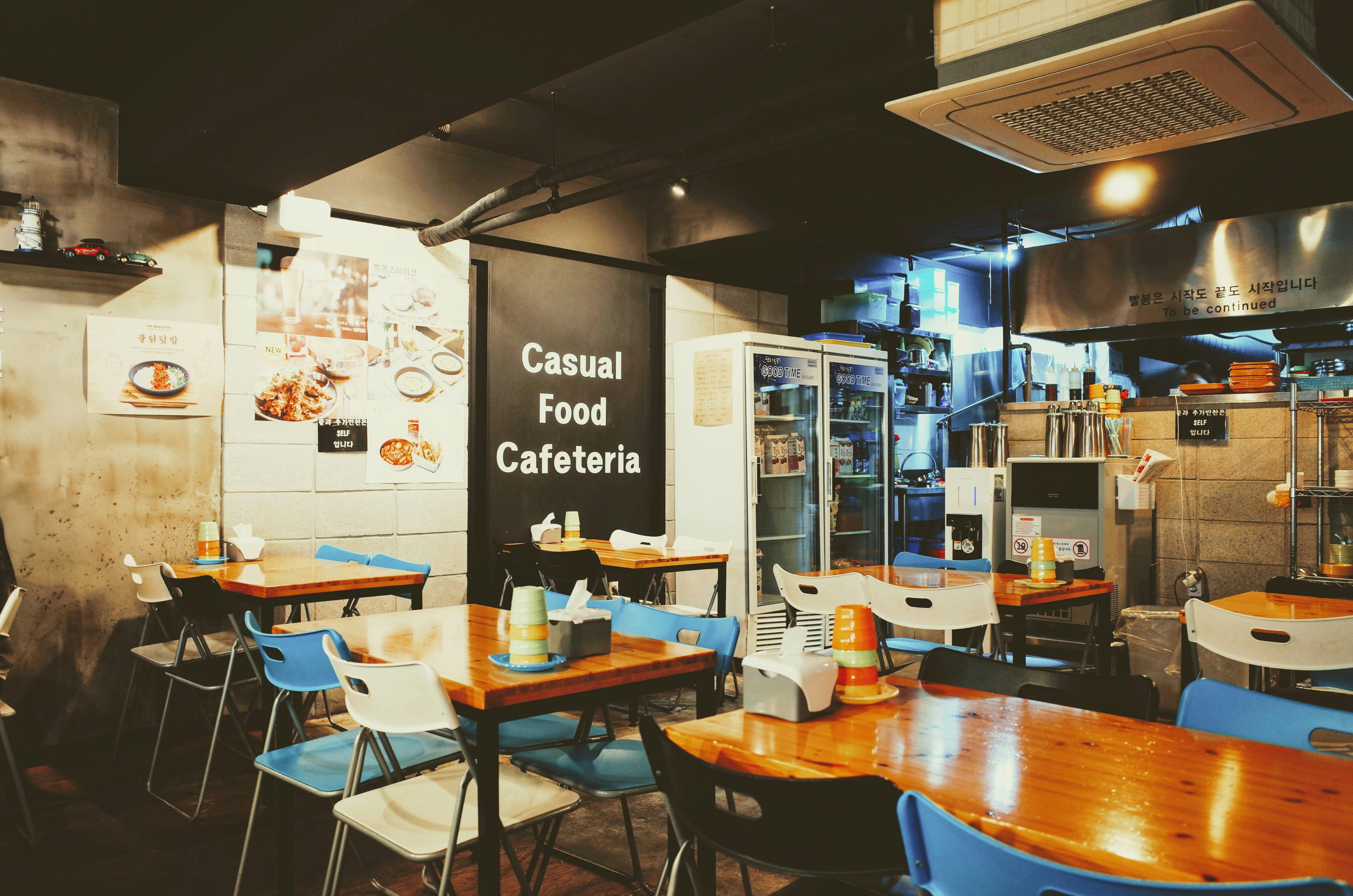
You have just finished an extraordinary meal in Seoul. The banchan side dishes were endlessly replenished, ice water arrived within thirty seconds of sitting down, and a press of the call button on the table brought attentive service in moments. When the bill arrives, the total is exactly what was printed on the menu—no lines for tips, no percentage calculations, and no awkward card-machine prompts.
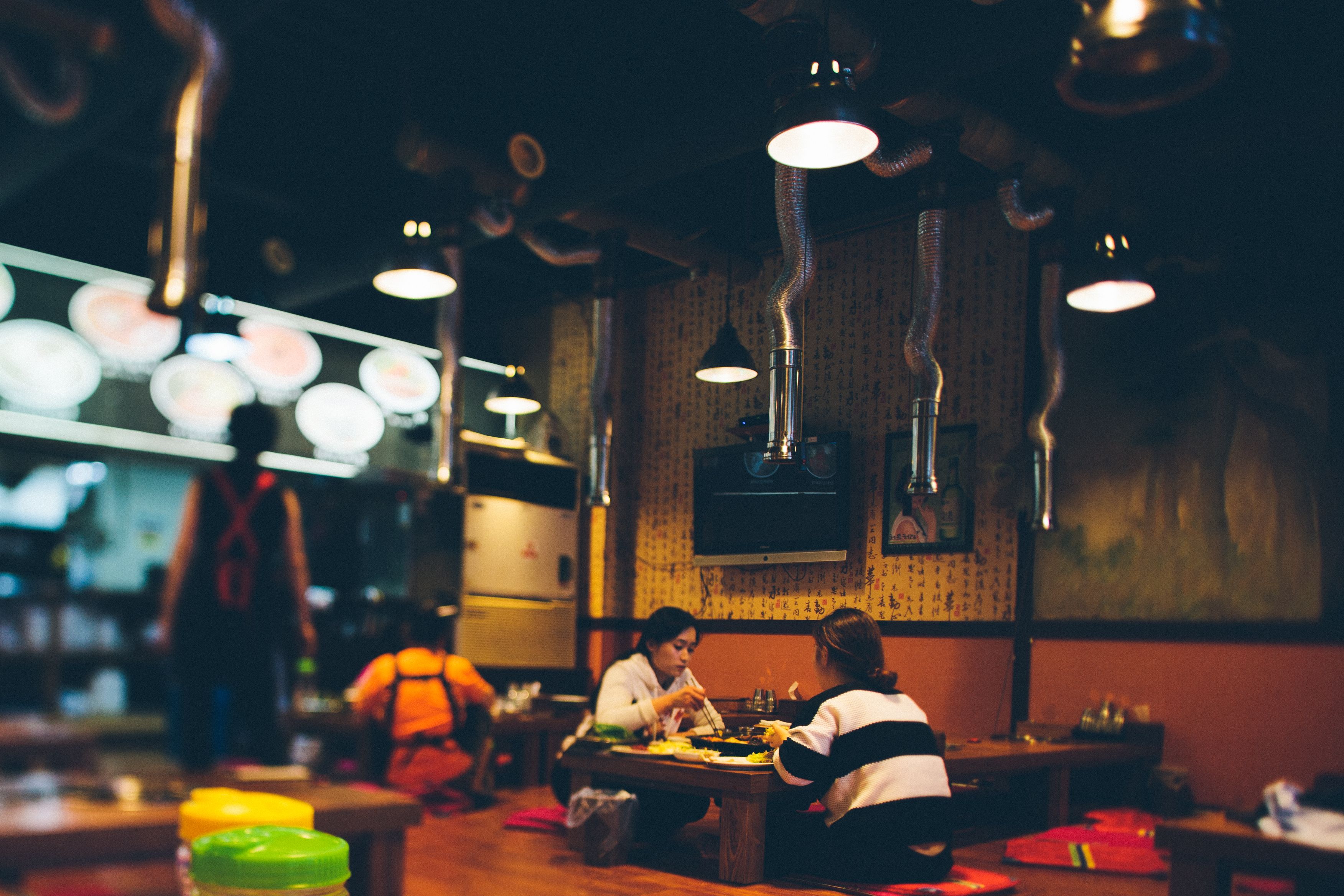 In Korea, attentive hospitality is a standard civic obligation built into the bill, not an elective luxury purchased with a tip.
For travelers arriving from tipping economies like the United States, leaving extra money on the counter feels like the polite, grateful thing to do. Yet if you leave a cash tip on the table in a Korean restaurant, one of two things usually happens: the server will hurry out the door after you to return the "forgotten money," or they will look genuinely flustered and confused.
01. The Complete Transaction: Service as a Right, Not a Favor
In South Korea, service (서비스) is not treated as a personal favor rendered by an individual worker to be evaluated and rewarded post-hoc. It is an intrinsic part of the price already agreed upon when you ordered. The employer is legally and socially expected to pay a full, living wage, and the customer is entitled to fast, competent, and polite service simply by being a patron.
To offer a tip can inadvertently signal that you believe the establishment underpays its staff or that the server requires personal charity, creating an uncomfortable breach of social dignity (chemyun, 체면).
02. The Social Drive: Why Labor and Education Diverged
Behind this straightforward economic model lies a deeper historical trajectory. During South Korea's rapid postwar industrialization, manual and service labor were fiercely regularized into strict wage brackets. Because service jobs offered little upward mobility or tips to bridge income gaps, families channeled their collective resources into rigorous academic achievement.
 Intense educational investment reflects a relentless societal drive to secure professional status in a competitive economy.
The fierce competition of the hagwon (private academy) culture was partially fueled by a generational desire to move away from undervalued frontline service jobs into professional, administrative, and technological careers.
03. The Modern Stress Test: Delivery Platforms and Fixed Fees
Korea's famous delivery culture is the perfect modern illustration of this principle. Food delivery across Korean cities is among the fastest, most precise in the world. Even when riders navigate congested streets and harsh winter weather on scooters, tipping remains virtually nonexistent.
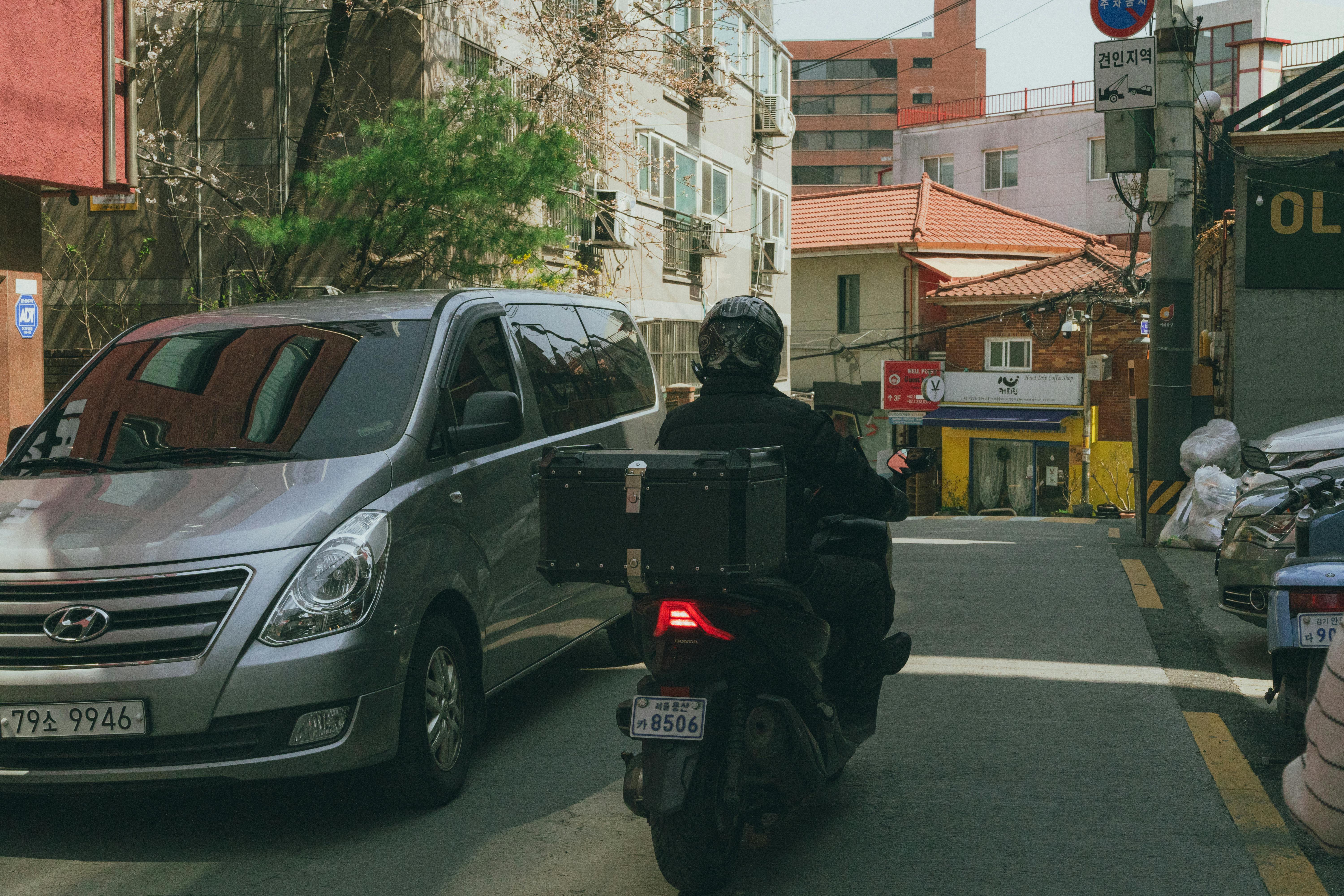 Even within Korea's lightning-fast delivery ecosystem, convenience fees are transparently fixed in the app rather than left to customer tipping.
The predetermined delivery surcharge shown on apps like Baedal Minjok or Yogiyo is considered the complete, final settlement for the rider's labor. Neither the courier nor the customer expects a tip, preserving absolute clarity and eliminating interpersonal awkwardness.
04. What This Actually Tells Us About Korea
The absence of tipping is not a deficit in generosity—it is the manifestation of a cultural consensus that values upfront transparency, mutual dignity, and systemic consistency over discretionary tipping rituals.
When you dine in Korea, the highest compliment you can pay is not leaving cash on the counter, but offering a sincere word of appreciation upon leaving: "Jal meogeossseumnida" (잘 먹었습니다 — I ate wonderfully).